
Confronting Injustice: A Collective Responsibility for Change
11.02.2025
 Sofia Chen
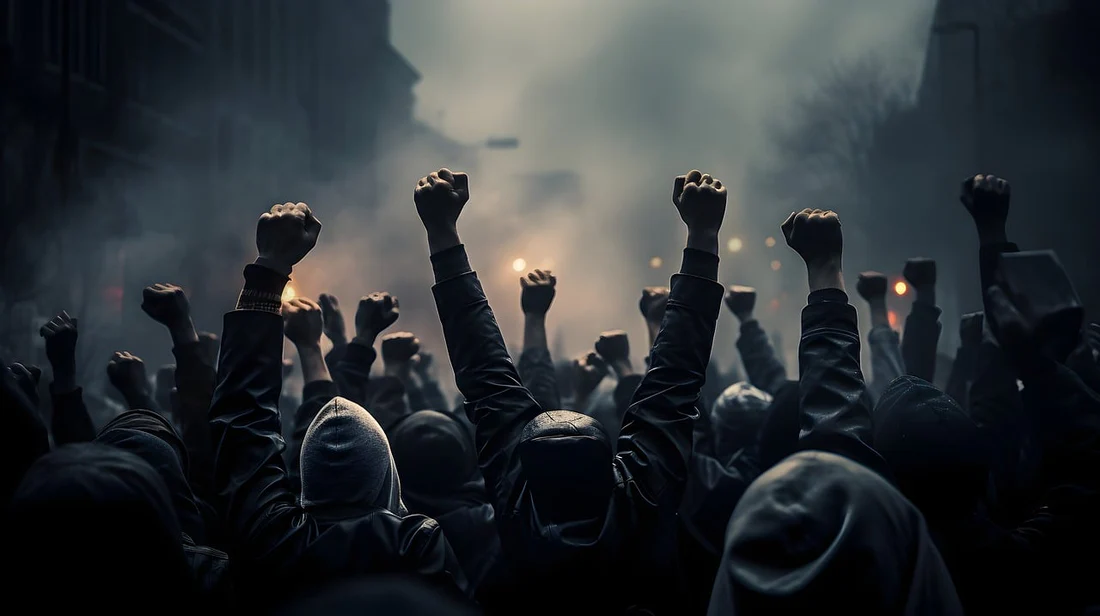
Injustice 2
Injustice persists in various forms across the globe, affecting countless lives and undermining the principles of equality and fairness. This post emphasizes the need for collective action to confront and eradicate injustice in all its manifestations.
Injustice is a pervasive issue that transcends borders, cultures, and societies. It manifests in numerous ways—through systemic discrimination, economic inequality, and violations of human rights—affecting the most vulnerable among us.
As global citizens, it is our collective responsibility to confront these injustices and work towards a more equitable world.
Understanding the Roots of Injustice
To effectively combat injustice, we must first understand its roots. Many forms of injustice are deeply embedded in historical contexts, often perpetuated by societal norms and institutional practices.
- Discrimination based on race
- Gender inequality
- Religious persecution
- Socioeconomic barriers
By acknowledging these underlying issues, we can begin to address the systemic barriers that perpetuate inequality.
The Power of Solidarity
Solidarity is a powerful tool in the fight against injustice. When individuals and nations come together to support marginalized communities, they amplify voices that have long been silenced.
- Support affected communities
- Advocate for policy reform
- Promote accountability
- Encourage civic engagement
A Call to Action
Change begins when people refuse to remain silent in the face of injustice.
We urge all nations, organizations, and individuals to take a stand against injustice. By working together, we can dismantle structures that perpetuate inequality and create a more equitable world for all.